

Average Schmaverage:
When One Size Fits None
Unveiling the Unique Brain: Embracing Individual Learning Paths in Education

Did we seriously go through teacher training without diving into how the brain actually works? Piaget, child development—sure, we got that. But brain science? Not so much. Seems like a pretty massive gap considering our whole job revolves around shaping minds. Let’s call it what it is: a huge oversight.
Now, maybe your experience was different (fingers crossed), but today, we’re not leaving any stones unturned. We’re diving into some brain science.
Imagine you're eight again. You're sitting in class, feeling as though you're listening to an audiobook played at double speed. Each concept, each lesson races by in a blur of words too fast to grasp. Just as you latch onto one idea, another sweeps it away. Before you can digest anything, the teacher's voice cuts through, 'Get it? Got it? Any questions?' She looks around. 'Good.' But you don't understand enough to even ask a question. Everyone else seems to keep up, chiming in. You conclude that your brain is just a bit less impressive than your peers'—a notion you reluctantly accept.
You spend your school years perfecting tactical maneuvers instead of prioritizing learning. You anticipate when you'll be called on and prepare responses in advance. You 'play school', and get good grades by giving teachers what they want, not because you understand the material, but because you've mastered the art of appearance. You are polite, have neat handwriting and know just enough to guess correctly most of the time. You set up protocols to mask your perceived deficits. They work superficially. But, the limiting beliefs get confirmed over and over. They grow and linger in the shadows.
Thanks for coming with me down memory lane.
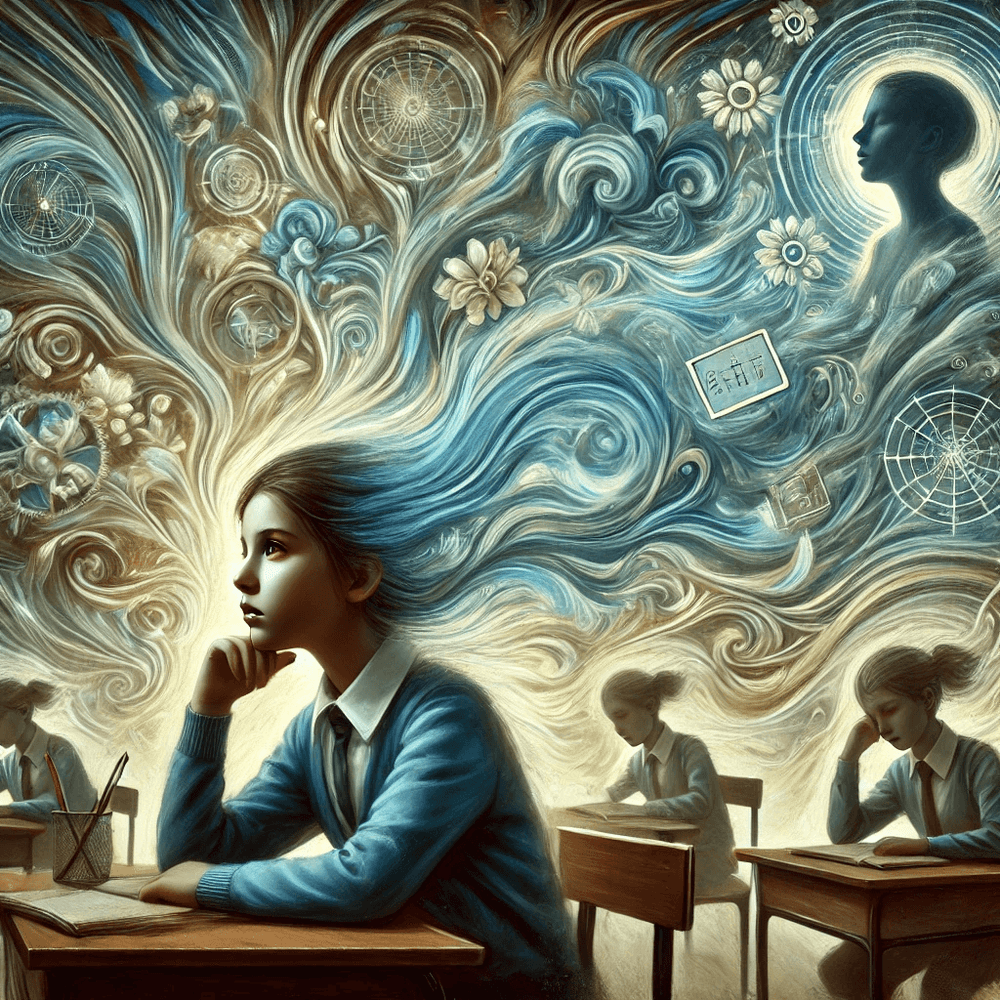
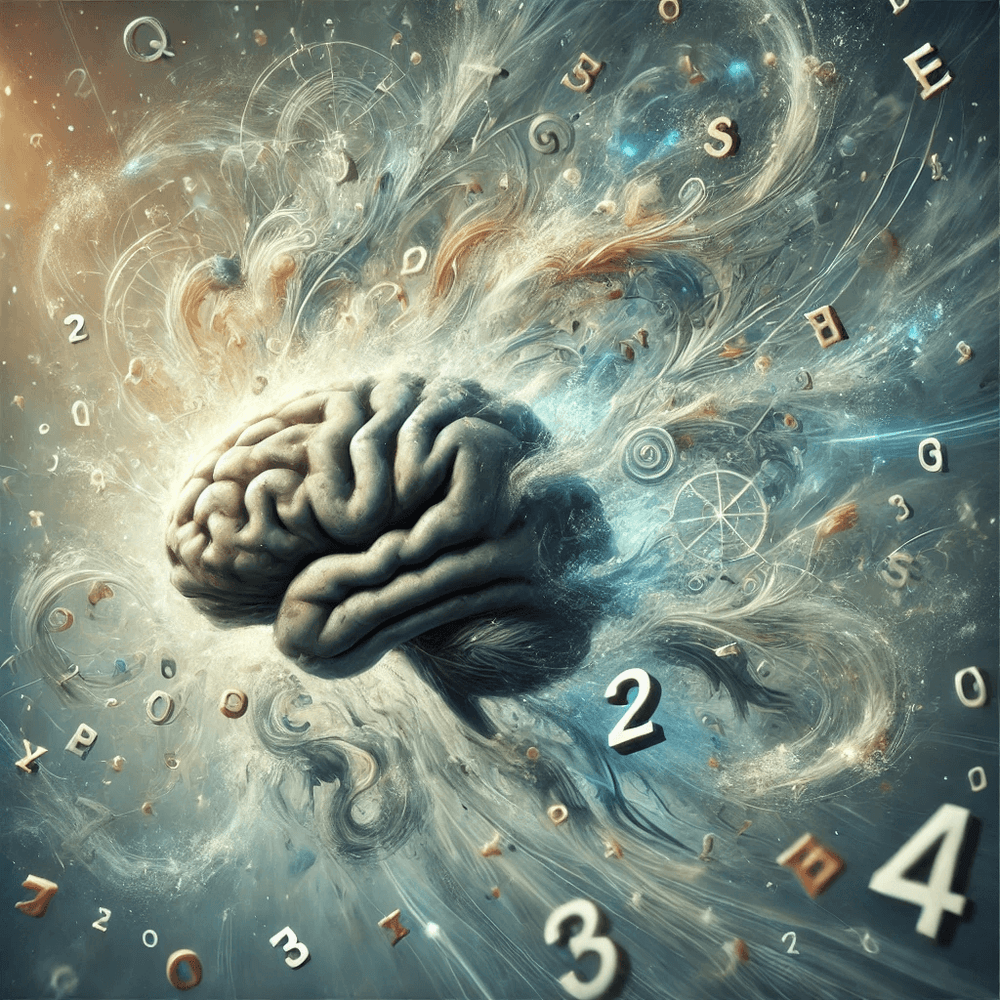
Fast forward a few decades. Here’s what I eventually realized: my brain processes information slowly, but deeply. I need to create mental images to understand things. Linear tasks? Not my strength. Trivial pursuit? Definitely not my game. My brain's learning path, more meandering than a highway, seemed inefficient but was actually quite thorough.
I often grasped the concept later that night or during the next class. Fast equaled smart, slow equaled stupid—or so it seemed. But later in life, as a teacher, navigating wild terrains became second nature. If students were lost, I had this ingrained ability to find them and lead them home. If concepts were elusive, I had a well-developed instinct to make things clear. Years spent believing in lesser capability masked a simple reality: my brain processes differently—slowly. Others finished first while I was dead last. But this slow unraveling illuminated insights others might miss and a depth of understanding that often went unnoticed—except for that teacher. You know the one, the one who really sees you and notices.
What a profound loss—not just of my potential, but of all those years spent shackled by limiting beliefs. Now, knowing my brain’s strengths, I see the importance of everyone discovering their own way of understanding the world—no matter how unconventional it seems. I can't even imagine where I’d be if I’d figured myself out sooner. I'm hoping students of the future have that chance.
What about you? Your brain? What would your school story be?
Join me as we uncover compelling evidence showing that, like fingerprints, students' learning needs are uniquely their own. We’ll delve into the real-world implications of these findings, exploring how they are reshaping our classrooms and prompting us to rethink how we teach and learn.
I’m glad you’re here.
Personalized Learning: Putting the 'Person' Back in Education

Now, imagine you’re that same eight-year-old again, but this time, you’re sitting in a classroom that actually gets you. This place is different—revolutionized. Teachers here understand how your unique brain works. You also know how you learn best because that is ingrained in the school culture and conversations. Visuals are woven into every lesson, and at the start of each unit, you get time to explore, connect the dots, and approach the concepts from all angles. Your teachers? They don’t rush you. Instead, they use your strengths as bridges to the skills you haven’t mastered yet.
Comparing yourself to classmates? Irrelevant. Here, learning isn’t a race; it’s about truly understanding, growing, and becoming the best version of yourself.

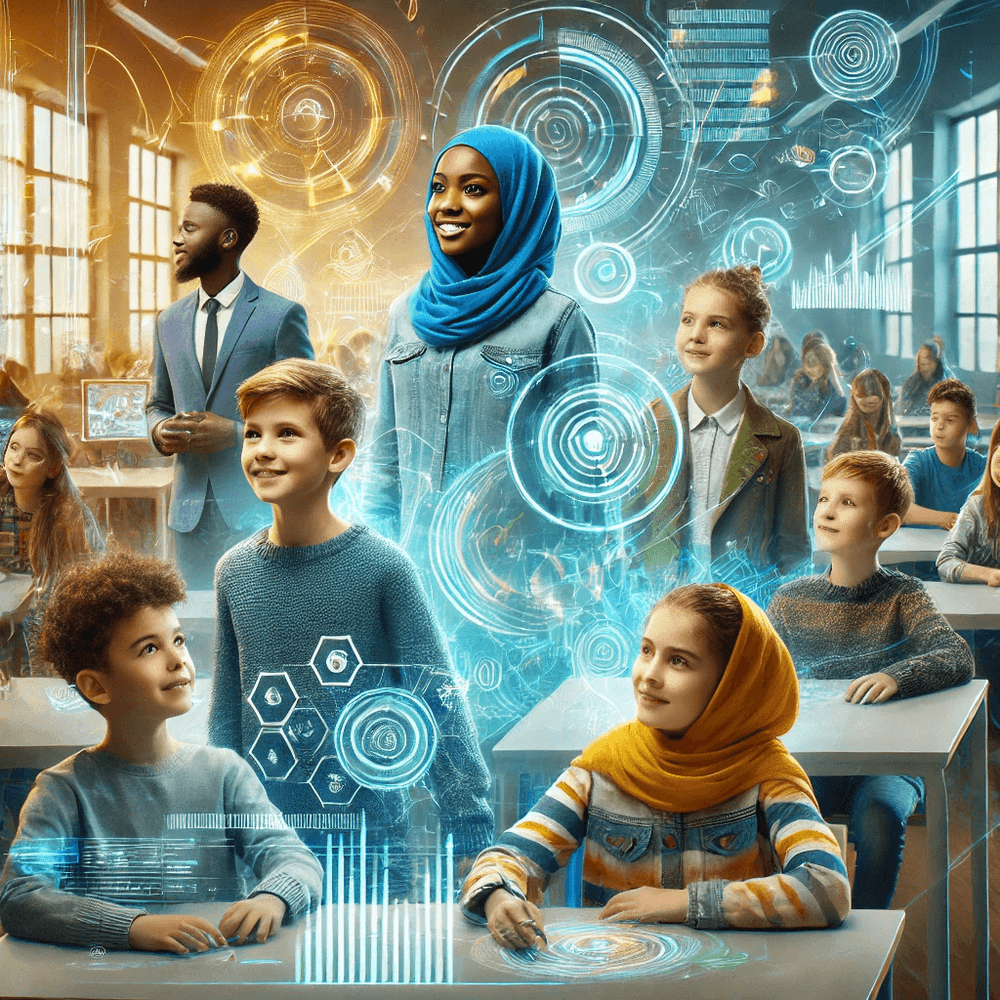
But let’s take it a step further. Picture teachers with cutting-edge AI tools at their fingertips—analyzing learning patterns, adjusting lessons in real-time, freed from the tasks that bog them down. Teachers become high-tech guides, curators of experiences instead of sources of information and answers. They are there to help you navigate your learning journey with personalized precision. Peakers of curiosity, nudgers, inquirers, connectors and strengths- finders. They are learning style and strengths leveraging experts. Your standardized test, a mere data point if that, amid a myriad of more interesting information gathered about your strengths, competencies, particular gifts and interests.
Can you see it? The vision. We have to believe before we see it. Not the other way around. That's what makes us game-changers.
It isn't just a pipe dream—it’s unfolding right now. So many schools, trying new things, shifting to new paradigms.
Yeah, there's a good chance you're not at one of those schools. Hang in there with me. This isn't a post about how teachers should kill themselves to do what the system isn't. I promise.
Debunking the Myth of the 'Average Student': Insights from Brain Science

Do you believe in the idea of an 'average student'? A majority we can design the whole classroom around? That’s the default assumption in education. Hell, it’s the default assumption in almost every area. Just like there are average shoe sizes, we’ve been conditioned to buy into the idea of the 'average student.' But guess what? The research tosses that notion right out the window.
Here's the brain research I was telling you about. Let's dive in.
A 'brain map' is essentially a detailed image that shows where specific functions occur in the brain, such as language processing or emotional response. Researchers like Michael Miller, whose work Todd Rose highlights in his book End Of Average, attempted to create an 'average' brain map by combining the maps from many individuals (think data aggregation). However, the research unearthed a simple yet profound revelation: the 'average' brain map doesn’t actually match anybody. That’s right, let me say that louder for the kids in the back. The “averaged map” failed to accurately represent any of the individual brains studied!
This reminds me of another eye-opener: Todd Rose’s story about the "Norma Look-Alike Contest" from the 1940s. In an effort to define the “average” woman, they measured thousands of women to create a composite, thinking it would represent the ideal. Spoiler alert: Not a single woman matched this so-called 'average' composite. It turns out, average is a myth.
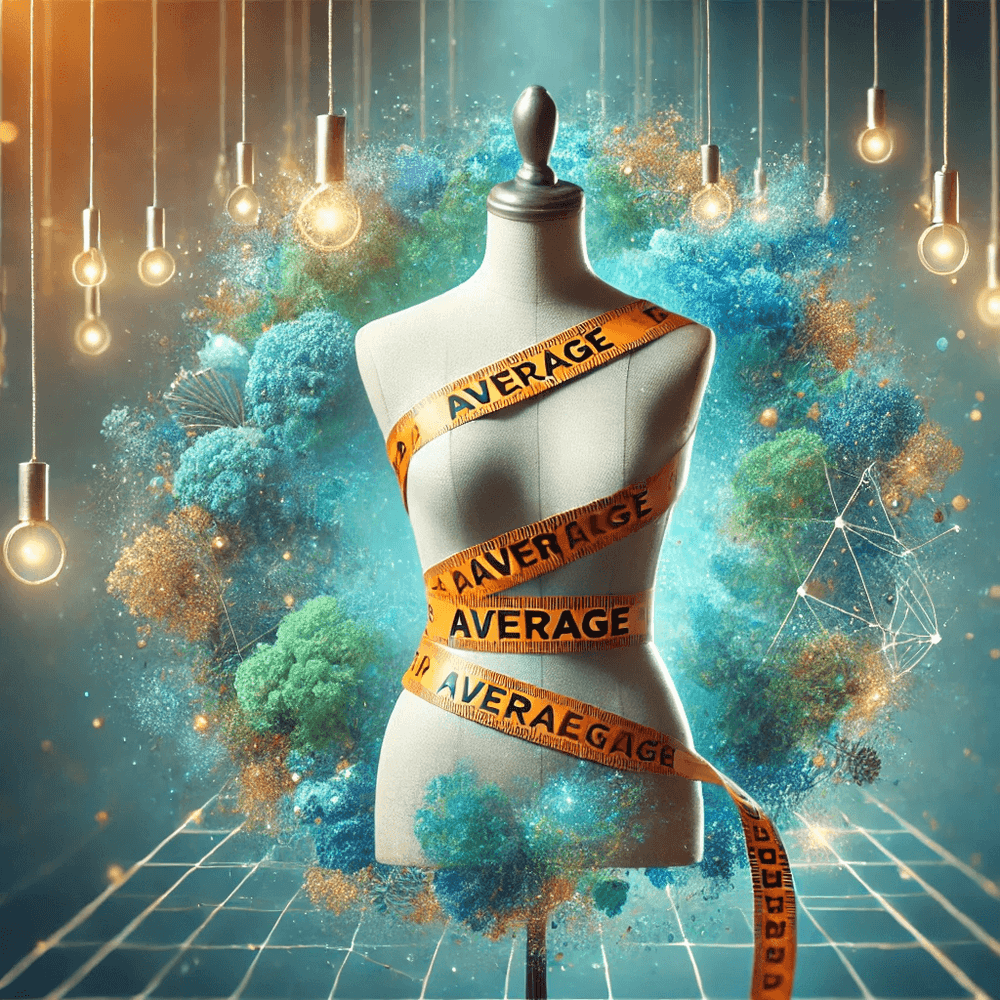
The story of Norma and the brain map research both highlight a critical point: relying on averages oversimplifies and misrepresents the diverse realities of individuals. Just like no woman could match all those average measurements, no student fits the mold of the so-called "average" learner. Every student is a unique blend of strengths, weaknesses, interests, and quirks.
Now What?
These insights highlight the critical need for educational environments that are tailored to each student's unique cognitive landscape. The failure of the 'average' brain map to represent any individual accurately demonstrates that no single educational strategy can effectively address the rich diversity of human cognition. Thus, it is imperative that we evolve towards a more personalized approach to education that recognizes and values these differences. As much as we humans adore stuffing things into neatly labeled boxes—even though we loathe being crammed into them ourselves—this study’s expansiveness and authenticity can't help but resonate on a deep level, reminding us of the true potential and diversity of human minds.
Do you know why the Air Force individually fits cockpits around the pilots instead of relying on averages? Yeah…pretty sure you can imagine at this point.
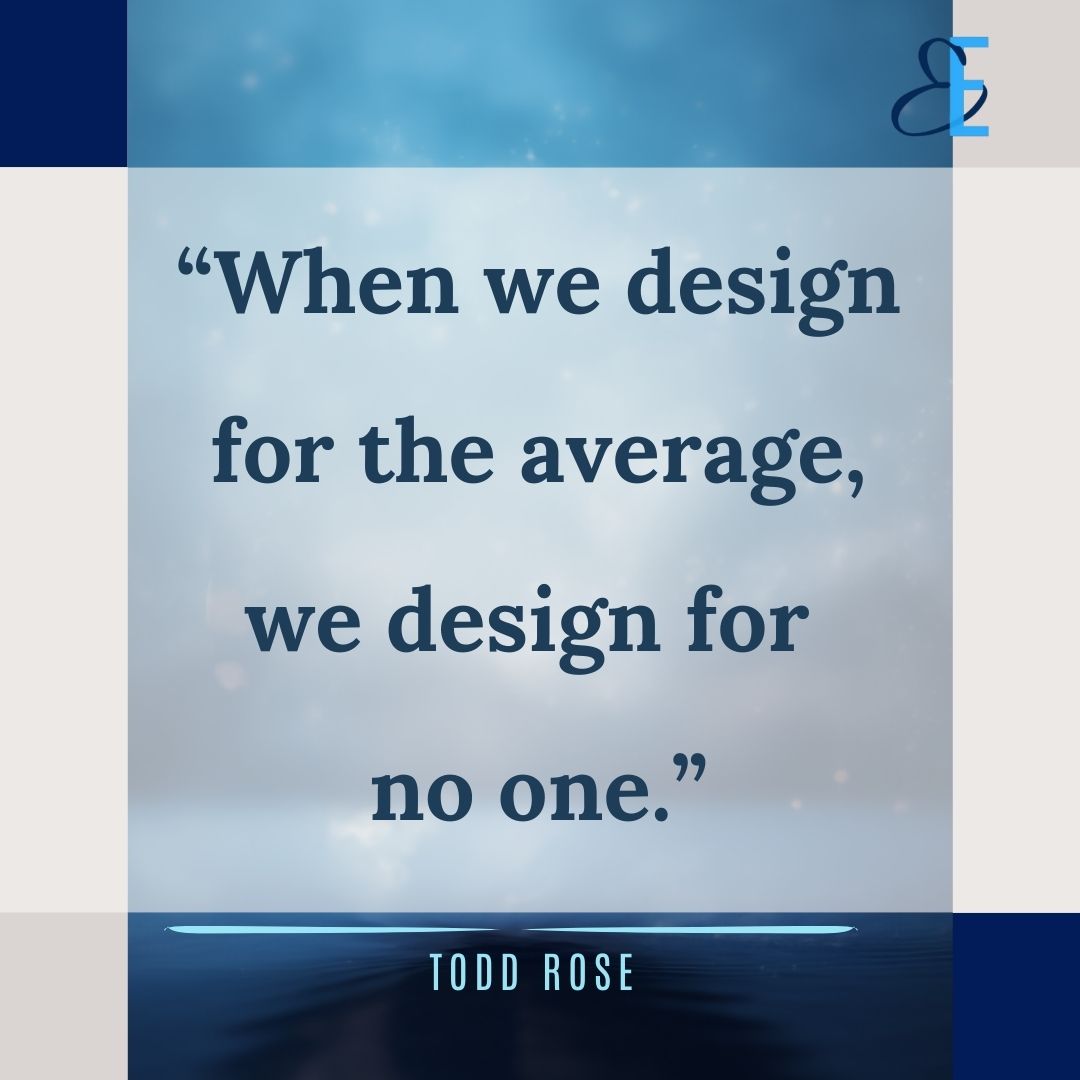
Why No Two Brains Are Alike: Exploring Brain Diversity
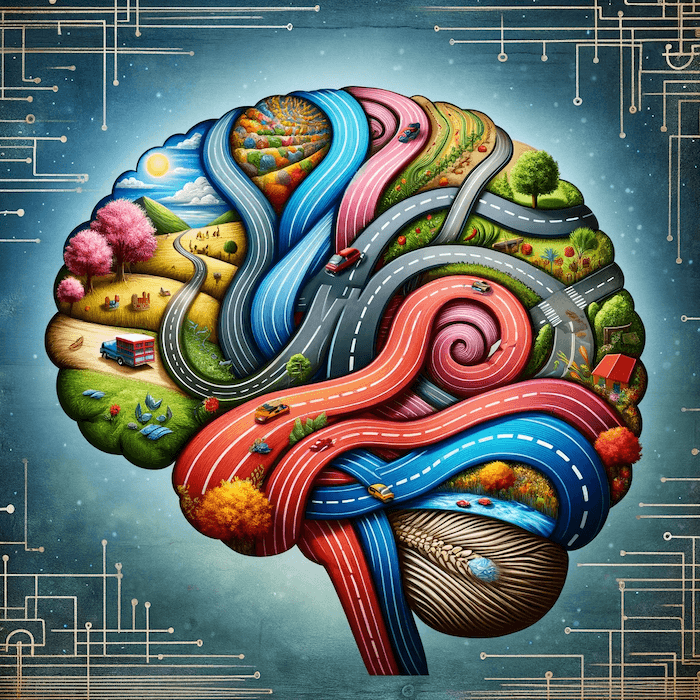
Here are some simplified ways our brains differ from each other:
Brain Size and Structure: Like shoe sizes, brains vary in size and structure, affecting memory and learning.
Amount of Gray Matter: Gray matter is where the brain processes information, and higher amounts of it are associated with better cognitive functions. More gray matter is akin to having more RAM, enhancing the brain's capacity to process information quickly and efficiently.
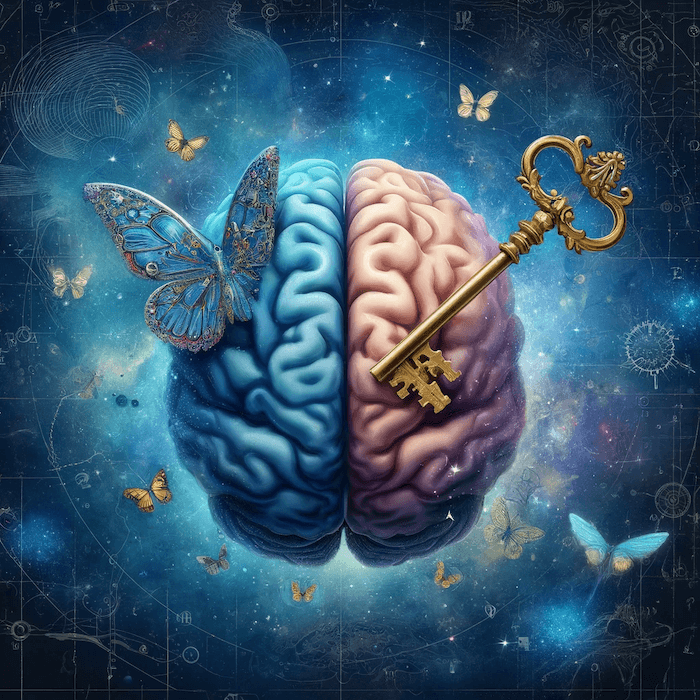
Connectivity Between Brain Regions: In some brains, neural pathways are like superhighways—fast and efficient, allowing for quick thinking and rapid problem-solving. In others, these pathways meander like scenic routes, where thoughts develop more slowly but perhaps more richly.
Activity Levels in Different Brain Areas: Some brains operate like bustling city centers, vibrant and full of dynamic interactions, ideal for creative and quick decision-making tasks. Others are more like serene retreats, calm and undisturbed, which fosters deep, focused thinking and thorough analysis.
Learning Preferences: People's learning styles vary as much as their tastes in movies—from the adrenaline rush of an action film to the calm of a nature documentary. For instance, visual learners may grasp concepts best through diagrams and videos, while auditory learners excel when information is presented verbally. Similarly, some students thrive in lively group discussions, while others benefit more from quiet, reflective study sessions.
Responses to Tasks: Brains light up in unique patterns under tasks: some excel with analytical challenges, much like solving complex puzzles, while others shine in creative endeavors, akin to painting a masterpiece.
Emotional Processing: Variability in emotional processing can significantly impact daily life. For example, some individuals may experience calm during stressful tests, enhancing focus, while others might encounter anxiety, which can distract or hinder performance.
Do you recognize yourself in any of the above examples? Me too.
So what do we do?
Personalization is Possible Even If You're Not A Machine
If you’re a classroom teacher, and anything like me, this might be stressing you out a bit. Most educators are working in a system that’s structured, standardized, and—let’s face it—not exactly designed for personalization. Hearing this can feel unsettling, even though it makes total sense. You’re probably thinking, How on earth am I supposed to personalize or differentiate for every single student? Are you kidding me? Pulling small groups already feels like a juggling act most days. Sure, you might have intuitive programs or tools that “fill gaps” and claim to personalize instruction. We're talking about so much more than that. But let’s be real: we’re not there yet.
Remember that vision of education I described earlier? The one where each student’s learning pathway is as unique as their fingerprint, supported by cutting-edge tools and human-centered practices? That’s the dream—but right now, we’re in the messy middle, the transition phase. It’s a lot like building a bridge while you’re crossing it. We have glimpses of what’s possible, but the day-to-day reality for most teachers is still grounded in trying to make sense of what works for your students within the constraints of the system.
This isn’t about doing everything perfectly tomorrow. It’s about taking small, intentional steps that move us closer to that vision—without driving yourself into burnout.
Ready to see how small steps can lead to giant leaps?
Here’s a practical guide to making personalization possible, even under less-than-ideal conditions. Do two things.


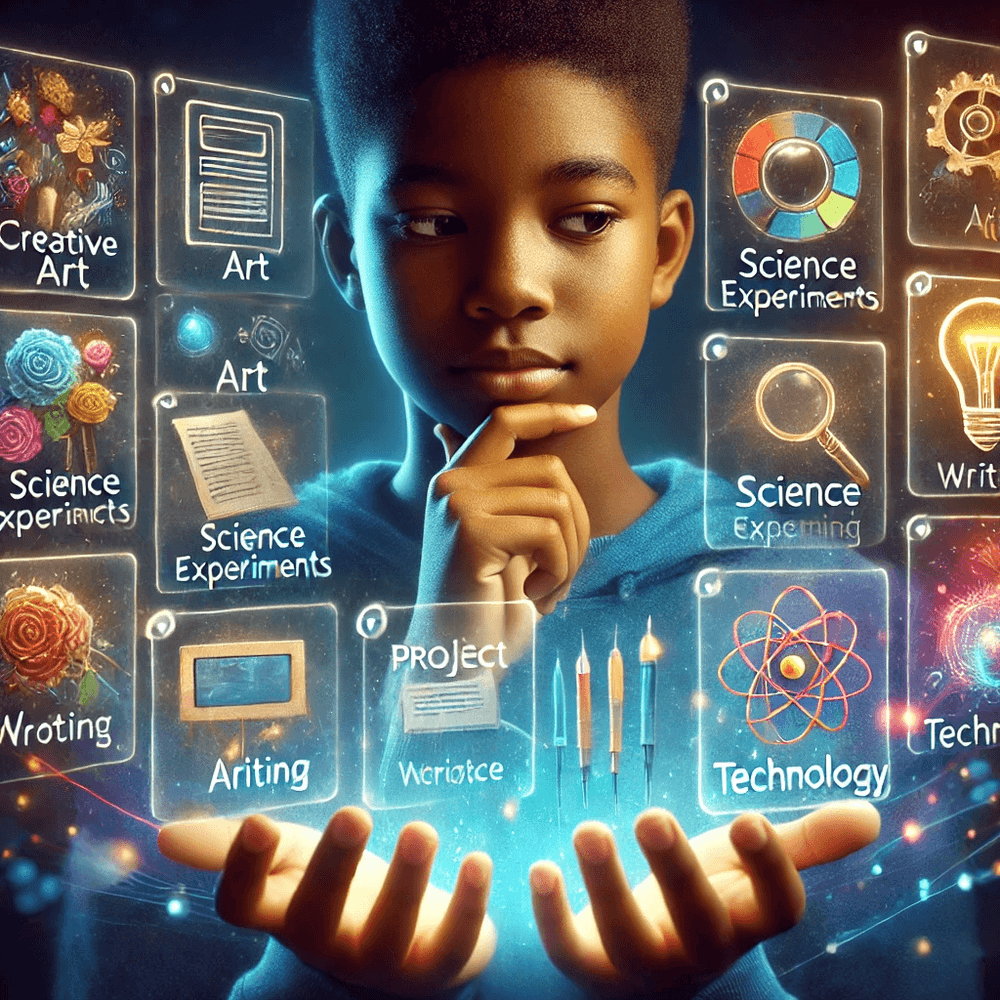
1. Gather Soft Data:
Interests, Strengths & Learning Styles
Incorporating Interests: When students know their interests are valued, the brain’s reward system is activated, releasing dopamine. This enhances motivation, focus, and the formation of positive emotional connections to learning. Find out what their interests are.
Being Mindful of Learning Styles: Asking students how they think and process information sends a powerful message: Your unique way of learning matters. This encourages metacognition—students begin to think about their own thinking, which helps them understand themselves better as learners. Figure our how they learn best.
Focusing on Strengths: Gathering data about what students feel they do well—and observing their natural talents—creates a culture of appreciation and growth. When teachers or schools emphasize students’ strengths, it fosters a positive and empowering atmosphere, reinforcing confidence and a sense of competence. This cultural shift nurtures trust and builds a supportive community where students feel encouraged to succeed and take risks. Most of us know our weaknesses better than we know our strengths. Make your classroom or school the first place wehre that gets flipped.
Ways to Gather Soft Data
Observe & Spot: Watch what excites students, how they approach tasks, and when they confidently excel.
Ask & Involve: Use surveys, conversations, or parent input to learn about interests, strengths, and preferences.
Reflect: Use journaling or exit tickets with prompts like, “What felt most fun or natural today?”
Collaborate: Observe group work to identify leadership, creativity, and unique strengths.
Review & Engage: Analyze portfolios, past work, or interactive tools like Google Forms to gather insights.

2. Use the Soft Data:
Turning Insights into Action
Leverage the data you’ve gathered about students’ strengths, interests, and learning styles to create a more engaging and personalized learning experience.
Why the Developing Brain Loves This:
Incorporating Interests: Connecting content to student interests keeps dopamine flowing, making the brain more alert and engaged. Students feel a sense of ownership, which enhances intrinsic motivation and helps embed learning more deeply.
Focusing on Strengths: Building on strengths activates the prefrontal cortex, encouraging problem-solving and persistence. It also boosts students’ confidence, making them more willing to tackle challenges and embrace growth opportunities.
Personalizing Learning Experiences: Using insights into how students think fosters a connection between their unique abilities and the material, leading to better understanding, retention, and a stronger sense of belonging in the classroom.
Ways to Apply the Data:
Connect: Weave students’ interests into examples, discussions, and assignments to spark curiosity and engagement. Show them how the material relates to something they care about.
Leverage: Design activities that allow students to showcase their strengths. For instance, provide creative options like visual presentations, oral explanations, or hands-on demonstrations to let their talents shine.
Offer: Provide choice in assignments and assessments to honor individuality and empower students to take ownership of their learning.
Adapt (In the Moment): When students struggle, use the data to guide immediate adjustments. Reframe tasks to align with their strengths or interests and turn challenges into teachable moments.
And YES—great teachers already know all of this. I’m not here to shock you with earth-shattering facts, just asking if we can consider giving these tried-and-true, researched and brain-based strategies a bit more air time. Because, let’s face it, in the chaotic world of education, we all need a reminder that although numbers matter, our job of truly seeing and growing human beings who will inherit this world matters more. We want them invested in themselves, valuing what they have to contribute and thinking outside the box, not people pleasing for letters or numbers attached to their name. We need them to know that they matter and can make this world a better place with all of their gifts.
Don’t we need more of that light in the world today?
Leading the Educational Revolution: Micro Actions, Big Impact
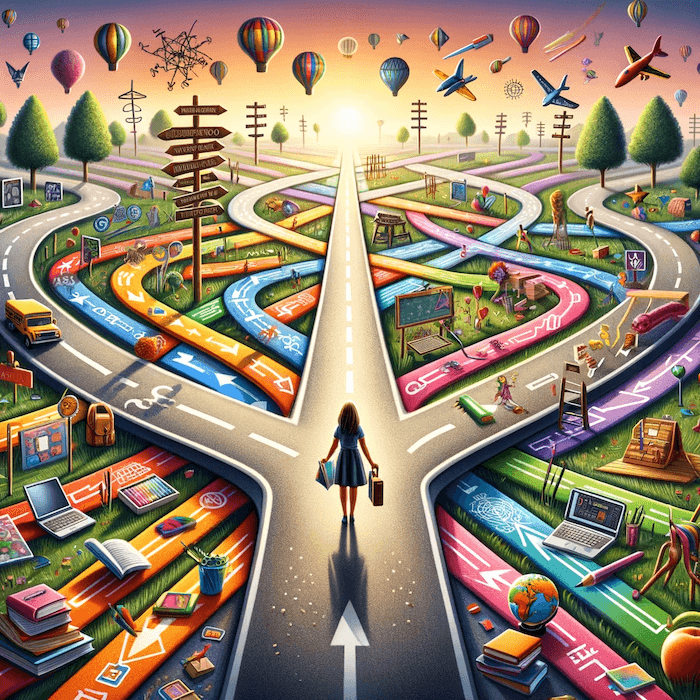
You’ve done something remarkable: you’ve taken the time to truly see your students—asking them about their strengths, interests, and learning styles, and showing them that who they are matters. By using this insight in your planning or adapting in the moment, you’ve built more than lessons—you’ve created connection, belonging, and trust. Now, take a step back and reflect: Are your students more engaged, motivated, and confident? Better yet, are they learning more? Because let’s be clear—this isn’t just about feel-good moments. Soft data leads to hard growth, and when students feel seen, the results show up in their progress, their view of themselves and their view of the world.
So, dear educators, as you navigate this remember, revolutionizing education doesn't require grand gestures, just micro, meaningful actions that accumulate and compound. You might not realize it yet, but by shifting in small ways in the right direction, you’re not just adapting; you’re leading the way. The system, with its back against the wall, will eventually catch up. And when it does, you’ll be ready to lead the charge. Your efforts are the backbone of the future we're all striving to create.
Here’s to you and your next small, yet mighty, step towards an educational revolution. Go forth, inspire, and change the game.
Not Just an Education Issue: Schools Mirror Societal Challenges

Side Note: Did you know about 60% of people have one foot larger than the other? And yet they are sold in standard pairs. They even check to make sure you're not sneaking a different size. Ever leave a doctors office and feel like you were patient number 1,054 looking at a perscription that was just handed to you wondering if you were accurate enough with your symptoms in the 2.3 minutes she spent listenting to you? These experiences mirror the larger truth about individualization—we need it everywhere, not just education.
So, the next time someone blames schools for society’s problems, remind them that “one size fits all” solutions are as unrealistic in education as they are in footwear and healthcare. It’s time we rethink not only how we "size" our shoes, but how we "size" our educational institutions.
It's time to start accommodating the real world.
Wrapped with Love: Free Resources for World-Changing Teachers
FREE RESOURCES
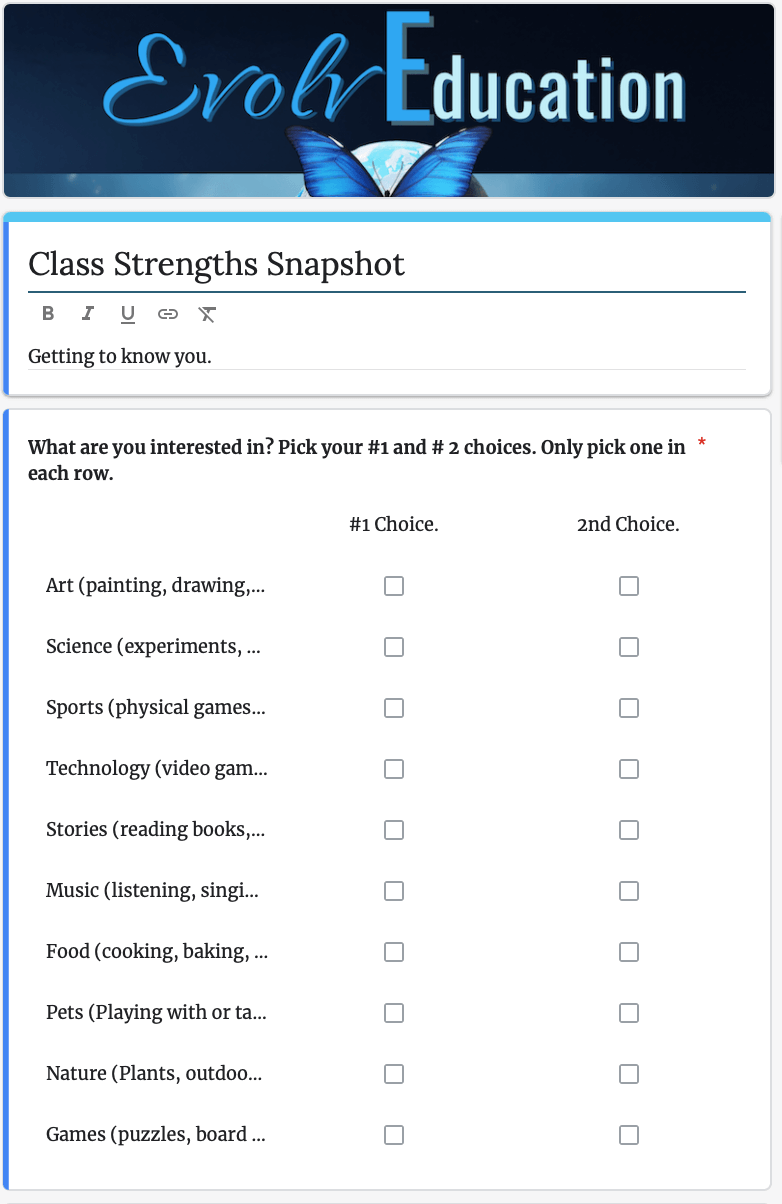
1. Quiz: get a quick idea where your students are at and gather some soft data.
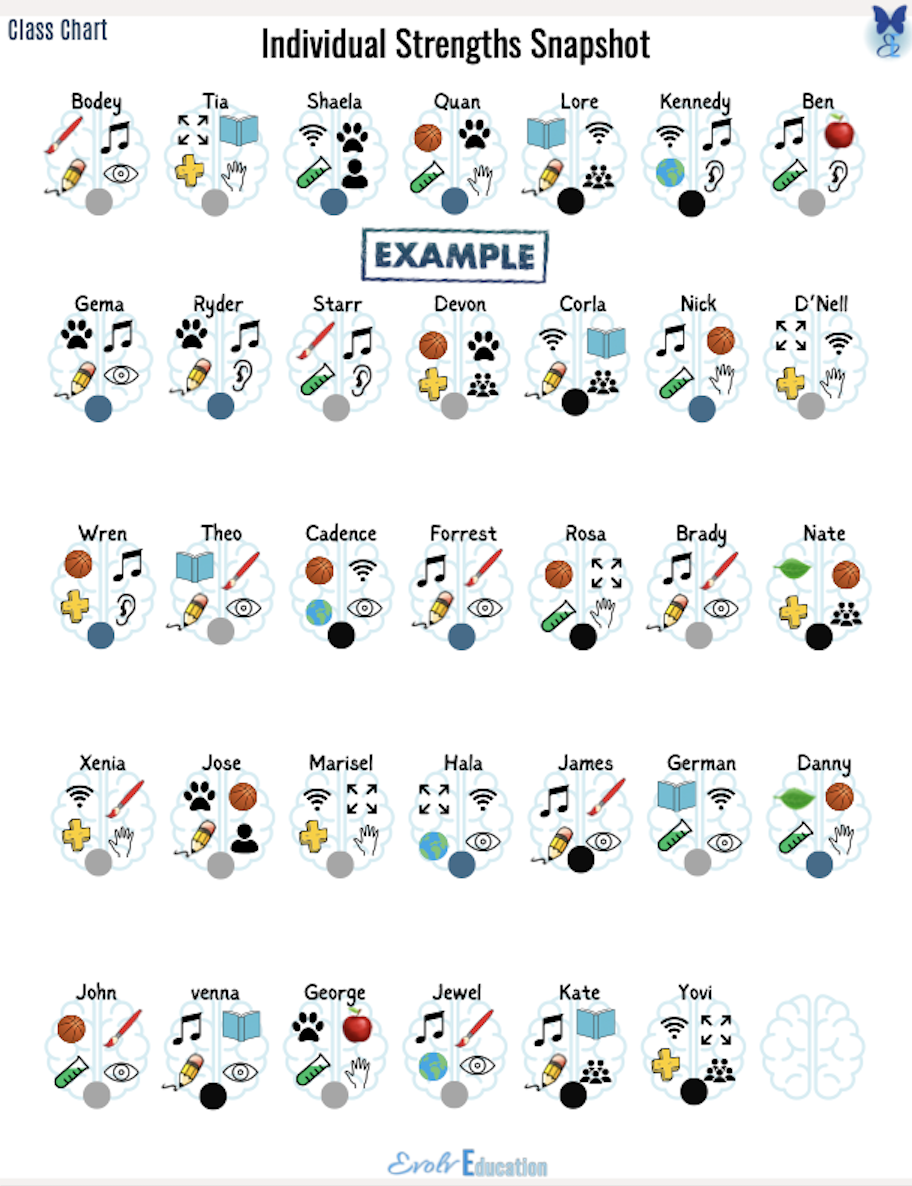
2. Examples: see some examples of how to gather the data to spark your own genius ideas.
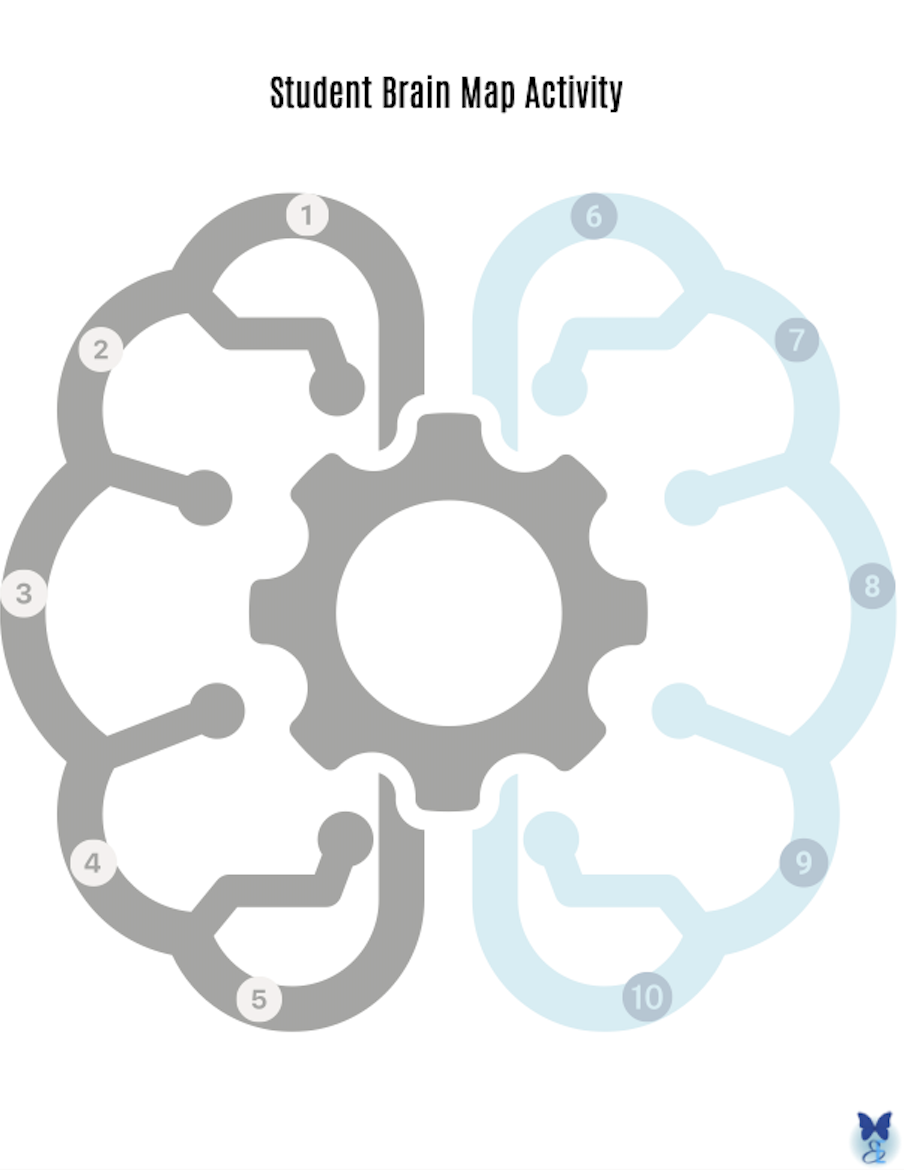
3. Activity: Get to know how your students think.
Snapshots below. Click the link.
Appreciating Great Educators

As I wrap up this, my first official post, I want to extend heartfelt appreciation to every teacher bravely navigating the storms of this profession. I see you. Keeping our heart candles burning brightly amid the whirlwind that is teaching demands a fierce vigilance. You have a teacher's heart- the best kind. Protect that flame with care, for it lights not just your path but the world. On days when it flickers, I hope you see your impact. We truly shine brightest together. Thank you for your commitment and working toward a future that's just beginning to dawn. Your dedication to digging deep into transformative ideas is the kindling that will ignite lasting change in education. You are my tribe.
To Todd Rose, whose book The End of Average has profoundly reshaped my understanding of our unique capacities, a massive thank you. Your journey from a high school dropout to a Harvard professor isn’t just inspiring—it’s a lighthouse for all educators. Your insights remind us that we transcend our averages, and for this revelation, I am immensely grateful. I believe we are all here to share our gifts, and Mr. Rose, yours has irrevocably changed mine.
Hand to heart, thank you for igniting change and being the inspiration for others.
Much love,
Gema
Author

Education Lover &
Unapologetic Disruptor
XO
Inspiration
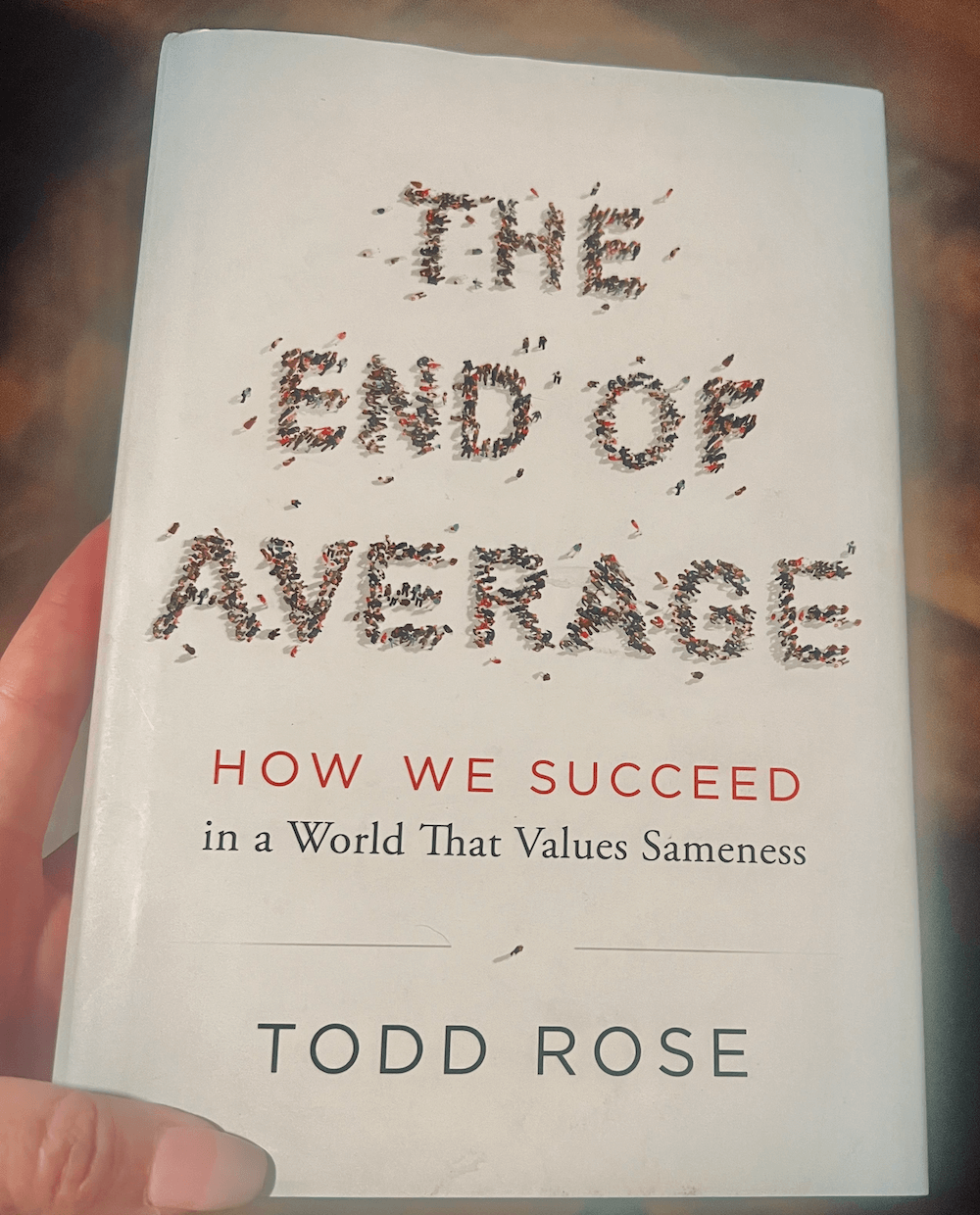
Book: End of Average
Author: Todd Rose
Publisher: Harper Collins
Edu-Goldmine: Not Your Average Sources
1. ROSE, TODD. End of Average. Harper One, 2016.
2. Miller, M. B., Van Horn, J. D., Wolford, G. L., Handy, T. C., Valsangkar-Smyth, M., Inati, S., Grafton, S., & Gazzaniga, M. S. (2002). Extensive Individual Differences in Brain Activations Associated with Episodic Retrieval are Reliable Over Time. Journal of Cognitive Neuroscience, 14(8),1200–1214.
https://doi.org/10.1162/089892902760807203
3.*Llera, Alberto, et al. “Inter-Individual Differences in Human Brain Structure and Morphology Link to Variation in Demographics and Behavior.” eLife, eLife Sciences Publications, Ltd, 3 July 2019, elifesciences.org/articles/44443.
4. Lin, J., Chen, Y., Xie, J., & Mo, L. (2022). Altered brain connectivity patterns of individual differences in insightful problem solving. Retrieved from https://www.frontiersin.org/articles/10.3389/fnbeh.2022.905806/full
5. Lopez, S. J., & Louis, M. C. (2011). Strengths and Engagement: Findings from the Gallup Student Poll. Gallup Inc.
6. Almond, D., & Blanken-Webb, J. (2021). The Transformative Potency of Vulnerabilities in Strengths-Based Approaches to Higher Education. Academia Letters, Article 2540.
DOI: 10.20935/AL2540
7. Hosan, N. E., & Hoglund, W. (2017). Do teacher–child relationship and friendship quality matter for children’s school engagement and academic skills? School Psychology Review, 46(2), 201–218.
*Washington, Robin. “Need Shoes in Two Different Sizes? It’s Not as Odd as You’d Think.” GBH, 13 Sept. 2018, www.wgbh.org/lifestyle/2018-09-13/need-shoes-in-two-different-sizes-its-not-as-odd-as-youd-think.

